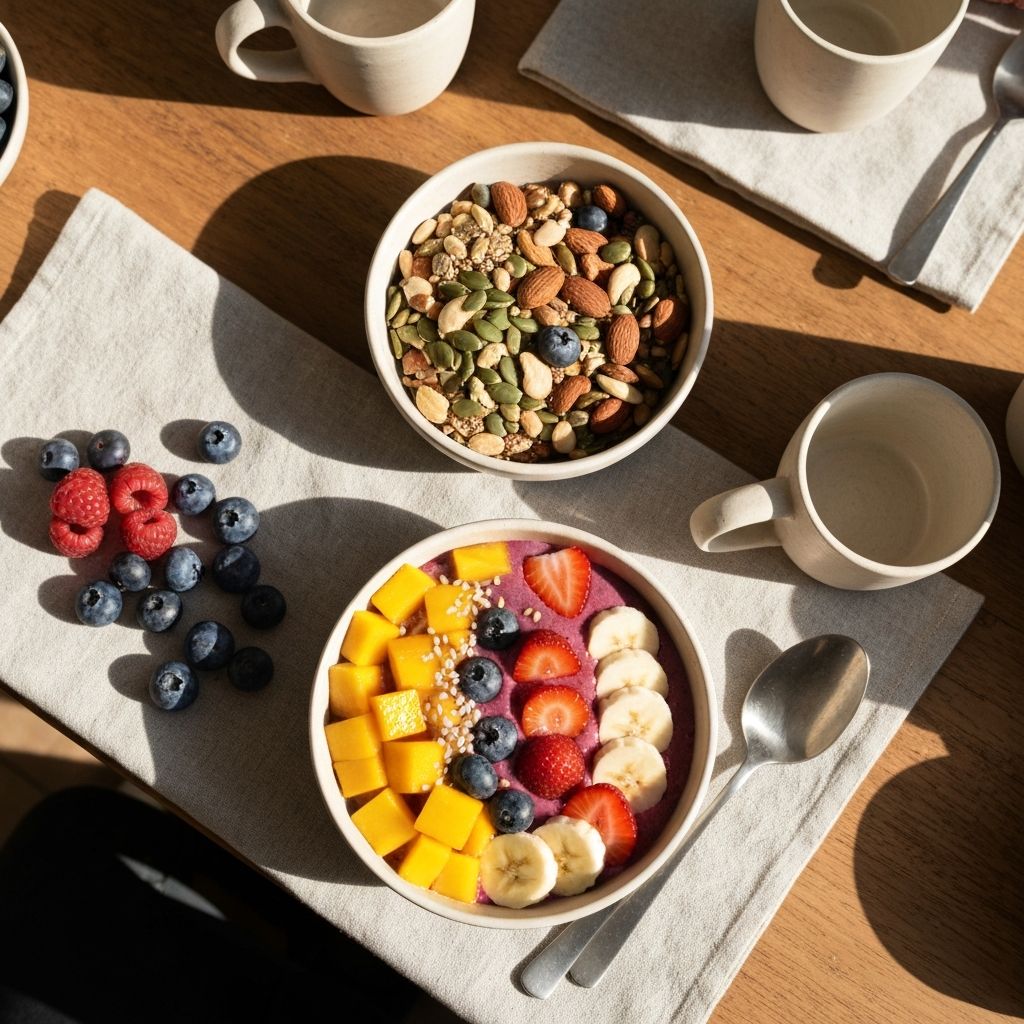
Organizing Foods by Category
Food groups are categories based on nutritional composition. Understanding different food groups helps in building balanced meals and ensuring variety in nutrient intake. Different cultures and dietary traditions emphasize different combinations of these groups.
This article explores major food groups and their nutritional contributions, supporting informed food choices.
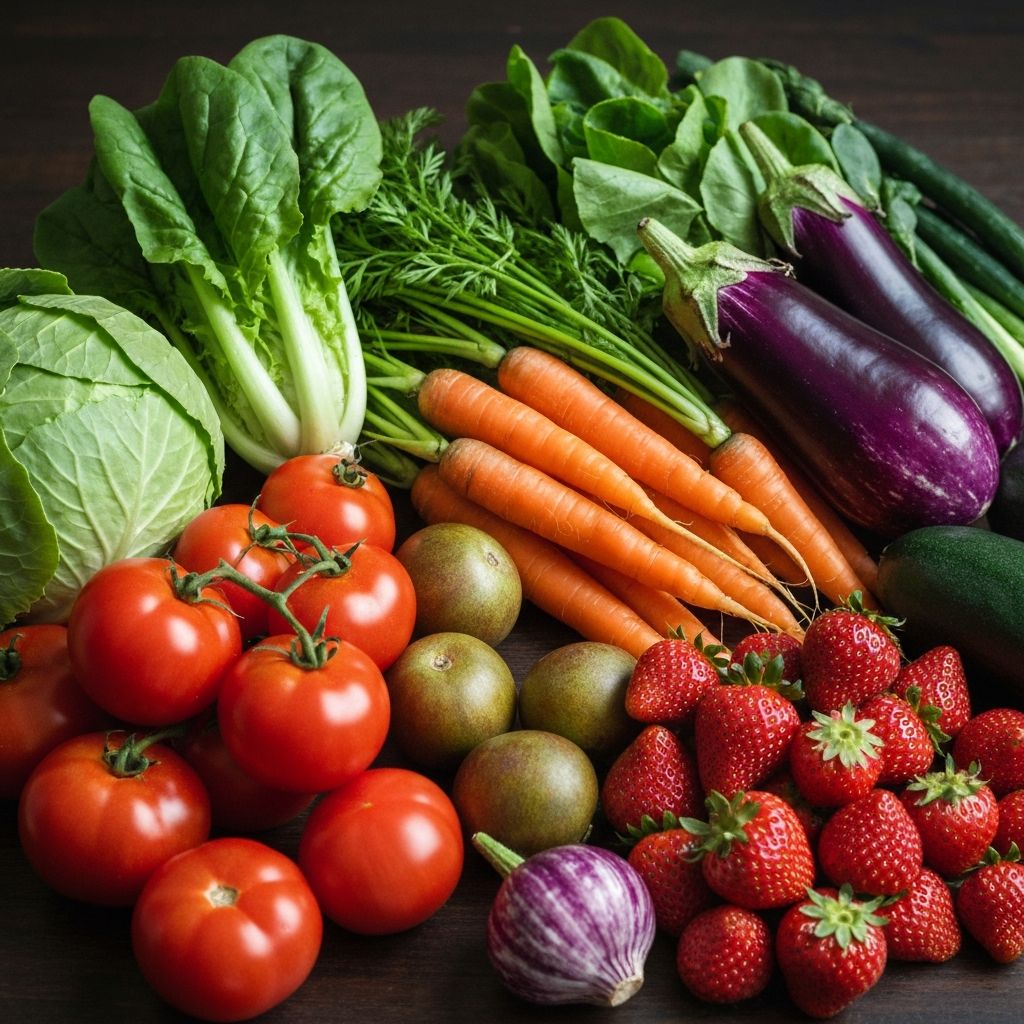
Variety across food groups ensures diverse nutrient intake
Major Food Groups
Vegetables
Rich in fiber, vitamins, and minerals while typically low in calories. Vegetables should form a substantial part of daily intake. Variety in color indicates different nutrient profiles: dark leafy greens provide iron and calcium; orange vegetables provide beta-carotene; red vegetables contain lycopene.
Fruits
Fruits provide fiber, vitamins (especially vitamin C), and natural sugars. They contain bioactive compounds with antioxidant properties. Whole fruits are preferable to juices as they retain fiber. Variety ensures diverse nutrient intake and supports different aspects of health.
Grains
Grains provide carbohydrates, fiber, and B vitamins. Whole grains retain the bran, germ, and endosperm, providing more fiber and nutrients than refined grains. Whole grain options include brown rice, oats, whole wheat bread, and quinoa.
Proteins
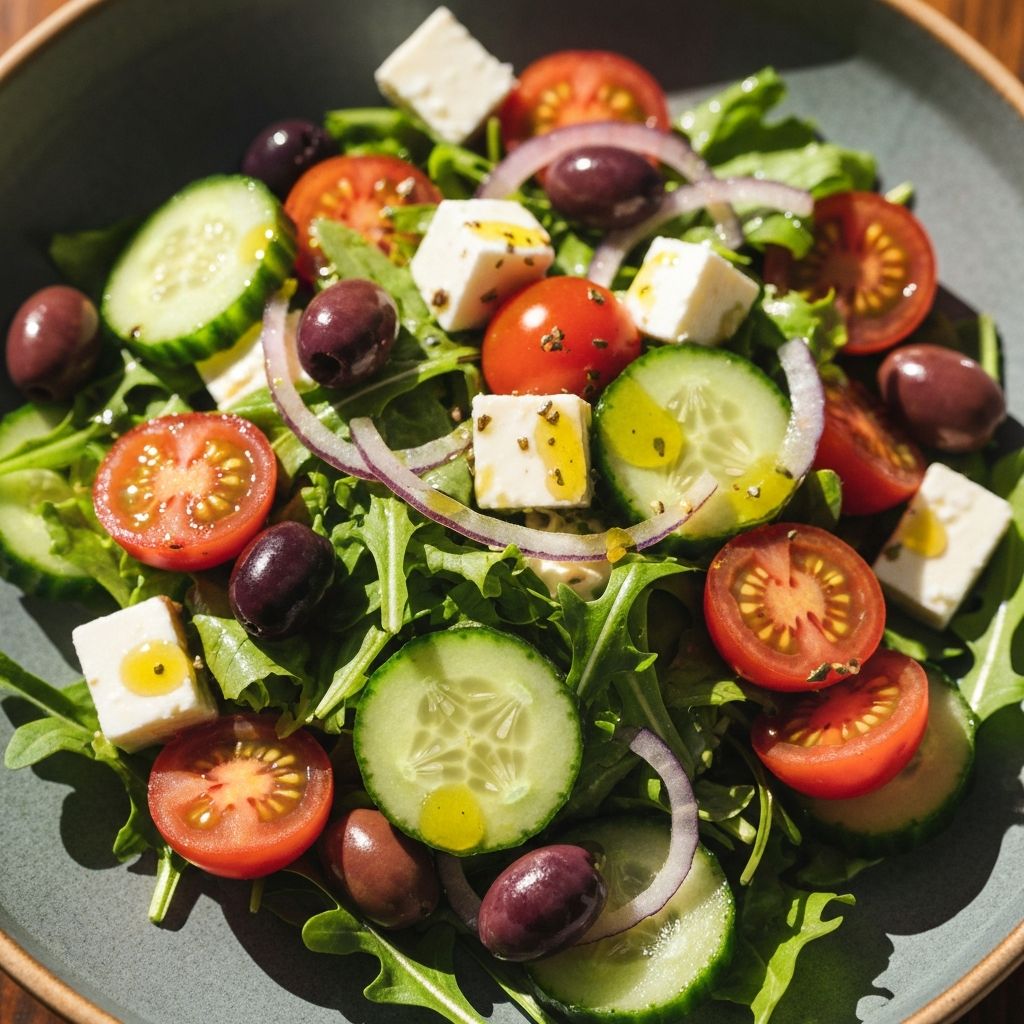
Protein sources vary widely in nutritional profile. Animal proteins include meat, poultry, fish, eggs, and dairy. Plant-based proteins include legumes (beans, lentils), nuts, seeds, and soy products. Different sources provide different micronutrients and fat profiles.
Healthy Fats
Fats are essential for hormone production, nutrient absorption, and cell function. Sources include olive oil, nuts, seeds, avocados, and fatty fish. Different fat sources have different compositions of saturated and unsaturated fats.
Nutritional Diversity
Including foods from all groups supports nutritional completeness. The specific proportions and choices vary based on individual preferences, cultural background, and health needs.
Building Balanced Meals
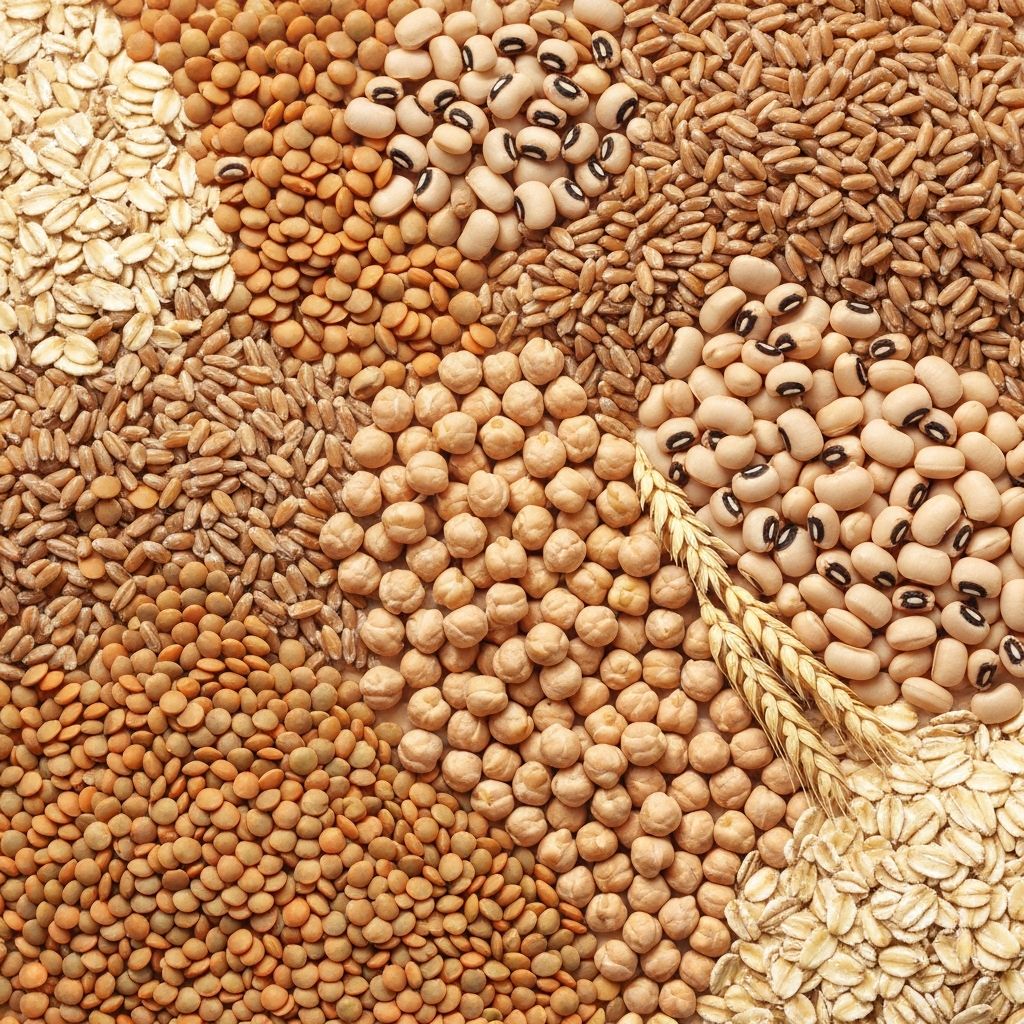
- Include vegetables or fruits at most meals
- Choose whole grains when possible
- Include a protein source at each meal
- Use healthy fats in cooking and food preparation
- Emphasize whole foods over processed foods
- Pay attention to portion sizes
- Allow flexibility and food enjoyment
Important Note
This article provides general information about food groups and nutrition. Individual dietary needs vary based on age, activity level, health status, and other factors. For personalized nutritional guidance, consult with a registered dietitian or healthcare provider.